

Home repairs are an inevitable part of owning a property, but many homeowners underestimate how quickly small issues can escalate if they are not addressed properly. What begins as a minor inconvenience, such as a faint crack in a wall or a slightly uneven floor, can slowly turn into a more serious concern that affects safety, comfort, and resale value. Because many problems develop gradually, they often go unnoticed until damage becomes obvious, at which point repairs may be more complex and costly. Understanding how common repairs arise helps homeowners recognize early warning signs and respond before problems spiral out of control.
Taking a proactive and informed approach to home maintenance allows homeowners to stay ahead of repairs rather than reacting under pressure. When issues are identified early, solutions tend to be simpler, less disruptive, and easier to budget for. Planning also reduces the stress that comes with emergency repairs, giving homeowners time to research options and make thoughtful decisions. This guide is designed to walk through common repair scenarios in a clear, practical way, helping homeowners understand what to watch for, how to evaluate problems, and when action is necessary to protect the long-term health of their home.
How to Spot Early Structural Warning Signs Before They Get Worse
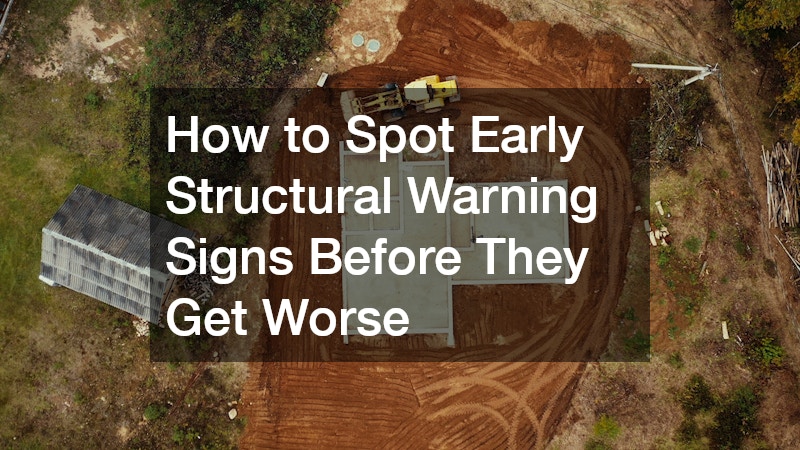
Structural concerns often develop slowly, which makes them easy to overlook or dismiss as normal wear and tear. Subtle changes such as small cracks along walls or ceilings, floors that feel uneven underfoot, or doors and windows that no longer open smoothly may seem harmless at first. In many cases, these issues fluctuate with seasonal temperature or moisture changes, leading homeowners to assume the problem has resolved itself. However, repeated patterns or worsening conditions can indicate underlying movement that should not be ignored.
Seeking clarity through a foundation inspection service can help determine whether these warning signs are cosmetic or structural in nature. An experienced evaluation provides insight into how serious the issue may be and whether immediate action is required. Homeowners often benefit from working with local construction services to better understand repair options, timelines, and realistic expectations for outcomes. Early evaluation allows problems to be addressed before they compromise other areas of the home, such as plumbing, flooring, or interior finishes. Acting sooner rather than later often limits disruption and helps preserve both structural integrity and long-term property value.
Managing Water Around Your Home to Prevent Costly Damage
Water is one of the most common and destructive forces affecting residential structures, particularly when it is not properly directed away from the home. Poor drainage can lead to soil saturation around the foundation, increasing pressure on walls and allowing moisture to seep into basements or crawl spaces. Homeowners may notice musty odors, damp walls, or visible staining, all of which suggest that water is lingering where it should not. Over time, these conditions can weaken materials, encourage mold growth, and create costly repair situations.
Installing a well-designed french drain is one effective way to control excess water and reduce the risk of long-term damage. This system works by redirecting water away from vulnerable areas before it has a chance to accumulate. Using proper paving fabric installation alongside drainage components helps prevent soil intrusion and clogging, allowing the system to function efficiently for years. Routine maintenance, such as clearing debris and checking water flow, ensures continued performance during heavy rain or seasonal weather changes. When drainage is handled correctly, homeowners can significantly reduce moisture-related issues and protect the structural stability of their property.
Handling Overgrown Trees That Threaten Structures and Utilities
Trees add beauty and shade to a property, but when they are not properly maintained, they can pose serious risks to a home and its surrounding structures. Overgrown branches may scrape siding, damage roofing materials, or block gutters, leading to moisture buildup and decay. Below ground, expanding root systems can interfere with foundations, driveways, and underground utilities, sometimes causing damage that is difficult to detect until it becomes severe. Because trees grow gradually, homeowners may not realize the threat until visible damage appears or a storm causes sudden failure.
In situations where trimming is no longer sufficient, professional tree cutting services provide a safer and more effective solution. Removing or reducing problematic trees requires careful planning to avoid damage to nearby structures, landscaping, or power lines. Professionals assess tree health, growth direction, and proximity to the home before determining the best removal approach. Addressing tree-related risks early helps prevent costly repairs, reduces safety hazards, and preserves the overall integrity of the property. Routine inspections of trees near the home can significantly reduce the likelihood of emergencies during severe weather.
Fixing Small Electrical Issues Before They Become Safety Hazards
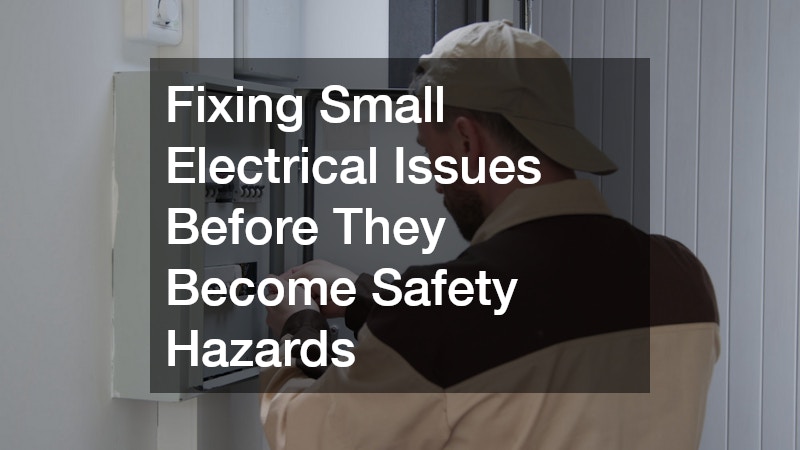
Electrical problems often start as minor inconveniences that homeowners are tempted to ignore. Flickering lights, switches that feel warm to the touch, or outlets that stop working intermittently may seem manageable at first, but they can signal deeper issues within the electrical system. Over time, these problems can worsen, increasing the risk of power failures, damaged appliances, or even fire hazards. Because electrical systems are hidden behind walls and ceilings, visible symptoms are often the only clues that something is wrong.
Addressing light repairs promptly helps maintain both safety and functionality throughout the home. Simple fixes, such as replacing faulty fixtures or securing loose connection,s can prevent more serious electrical failures later. However, homeowners should also recognize when an issue extends beyond basic troubleshooting and requires professional attention. Consistently monitoring electrical performance and responding quickly to irregular behavior reduces risks while ensuring the system continues to support daily living safely and reliably.
Addressing Cooling Problems That Impact Comfort and Energy Costs
A home’s cooling system plays a major role in comfort, especially during warmer months, yet many issues develop slowly and go unnoticed until performance declines significantly. Uneven temperatures, increased humidity, or longer cooling cycles may indicate inefficiencies that strain the system. As components work harder to compensate, energy usage often rises, leading to higher utility bills and unnecessary wear. Ignoring these early warning signs can shorten system lifespan and increase the likelihood of unexpected breakdowns.
Routine maintenance and timely attention to air conditioners can prevent many of these problems from escalating. Cleaning filters, checking airflow, and scheduling inspections help ensure the system operates efficiently and reliably. Homeowners should also pay attention to unusual noises or inconsistent cooling patterns, as these often signal mechanical issues that require professional evaluation. Taking a proactive approach not only improves indoor comfort but also helps control energy costs and avoid expensive emergency repairs during peak usage periods.
Improving Insulation to Reduce Drafts and Utility Bills
Poor insulation is one of the most common reasons homes struggle with uneven temperatures and rising energy costs. Drafty rooms, cold floors, or walls that feel noticeably cooler in winter are often signs that heat is escaping through gaps or poorly protected areas. These issues not only make a home uncomfortable but also force heating and cooling systems to work harder to maintain a stable indoor temperature. Over time, this added strain increases energy consumption and accelerates wear on mechanical systems, leading to higher bills and more frequent repairs.
Upgrading insulation with solutions such as spray foam insulation can significantly improve both comfort and efficiency when applied correctly. This approach helps seal gaps that traditional materials may miss, reducing air leakage and improving overall temperature control. Homeowners should focus on areas like attics, crawl spaces, rim joists, and wall cavities, where heat loss is most common. Before moving forward, it’s important to evaluate existing insulation conditions and identify problem zones to ensure improvements deliver measurable results. When insulation upgrades are done thoughtfully, they create a more consistent indoor environment and contribute to long-term savings.
Repairing and Maintaining Doors That Protect Security and Efficiency
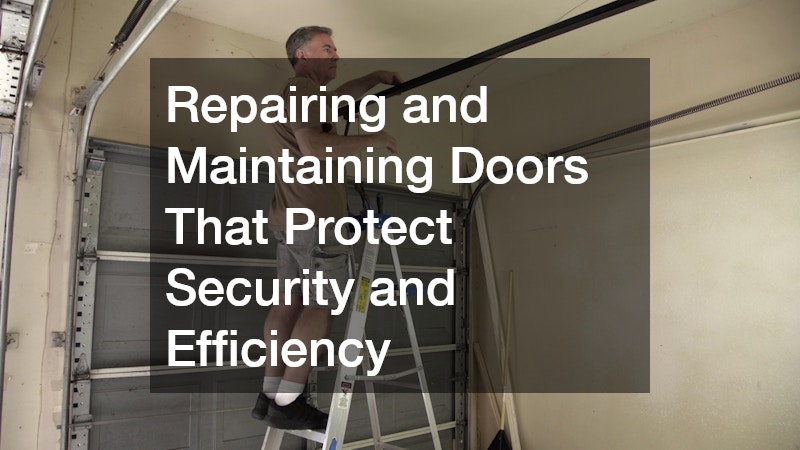
Doors serve as both a security barrier and a critical component of a home’s energy efficiency, yet they are often overlooked until problems become obvious. Drafts around frames, difficulty opening or closing, or visible gaps can indicate wear that affects both comfort and safety. Over time, misalignment or deteriorating hardware can allow air leakage, moisture intrusion, and unwanted access, making timely maintenance essential. Even small issues can worsen if left unresolved, leading to higher energy costs and reduced functionality.
Regular upkeep of entry doors helps preserve insulation performance while maintaining a strong first line of defense for the home. Similarly, ensuring garage doors operate smoothly prevents heat loss and reduces strain on mechanical components. Homeowners should inspect seals, hinges, and alignment periodically and address minor adjustments before they escalate. In some cases, repairs are sufficient, while in others, replacement may offer better long-term value. Understanding the condition of door systems allows homeowners to balance security, efficiency, and durability without unnecessary expense.
Knowing When a Repair Is Beyond DIY and Requires Professional Help
Many homeowners take pride in handling basic repairs themselves, but not every issue is suited for a do-it-yourself approach. Projects involving structural components, safety risks, or complex systems often require specialized knowledge and tools. Attempting repairs beyond one’s skill level can lead to incomplete fixes, code violations, or even personal injury. Recognizing these limits early helps prevent mistakes that could increase costs or create additional damage.
In cases involving structural concerns, consulting a foundation inspection service provides clarity on the scope and seriousness of the problem. Working with trusted local construction services also ensures repairs are performed safely and in compliance with local requirements. Professionals can identify hidden issues, recommend appropriate solutions, and complete work efficiently. Knowing when to step back and seek expert help protects both the home and the homeowner, ultimately leading to better outcomes and long-term reliability.
Preventing Repeat Repairs With Proper Materials and Installation Methods
One of the most frustrating experiences for homeowners is paying for a repair only to face the same issue again a short time later. Repeat repairs often happen when shortcuts are taken, low-quality materials are used, or installation methods are not suited to the specific conditions of the home. While quick fixes may appear cost-effective initially, they frequently fail to address the underlying problem. Over time, this cycle can lead to increased expenses, repeated disruptions, and growing frustration as the same areas require attention again and again.
Choosing the right materials and ensuring proper installation methods can significantly reduce the likelihood of recurring issues. For example, techniques such as paving fabric installation help stabilize surfaces and prevent movement that leads to cracking or shifting, while upgrades like spray foam insulation can eliminate persistent air leaks that cause comfort and moisture problems. Homeowners should ask detailed questions about materials, expected lifespan, and installation processes before approving work. Understanding why a particular solution is recommended helps ensure repairs are built to last. Investing in quality upfront often results in fewer repairs, lower long-term costs, and greater confidence in the durability of completed work.
Creating a Seasonal Maintenance Plan to Reduce Emergency Repairs
Many costly repairs can be avoided with a consistent, seasonal approach to home maintenance. Weather changes place different types of stress on a home throughout the year, from freezing temperatures in winter to heavy heat and storms in summer. Without a plan, small issues can go unnoticed until they escalate into emergencies that require immediate attention. A structured maintenance schedule helps homeowners stay organized and address problems before they disrupt daily life.
A seasonal plan should include regular inspections of systems such as air conditioners before peak usage months to ensure efficient operation and prevent sudden breakdowns. Similarly, checking garage doors for proper alignment, lubrication, and balance can help avoid mechanical failures and safety concerns. Breaking maintenance tasks into seasonal checklists makes them more manageable and less overwhelming. By spreading attention across the year, homeowners reduce surprise expenses, improve system reliability, and extend the lifespan of critical components.
Handling home repairs effectively requires a balance of awareness, planning, and informed decision-making. Many common issues provide early warning signs long before they become serious problems, allowing homeowners to act proactively rather than react under pressure. Understanding how different systems interact within a home helps prioritize repairs and prevents small concerns from turning into major disruptions.
By staying attentive to changes, addressing issues promptly, and investing in quality solutions, homeowners can protect both their property and their peace of mind. A thoughtful approach to maintenance reduces long-term costs, improves comfort, and supports the overall health of the home. With the right knowledge and preparation, repairs become manageable steps in responsible ownership rather than overwhelming challenges.